Previous Projects
SATHI designs and implements programmes that protect, empower, and uphold the rights of children, with a special focus on those in vulnerable and difficult circumstances. Through outreach, rescue, rehabilitation, family restoration, and advocacy, we work to ensure that every child has the opportunity to live safely, learn, and thrive through projects.
Restoration of children staying in Govt. Children Homes
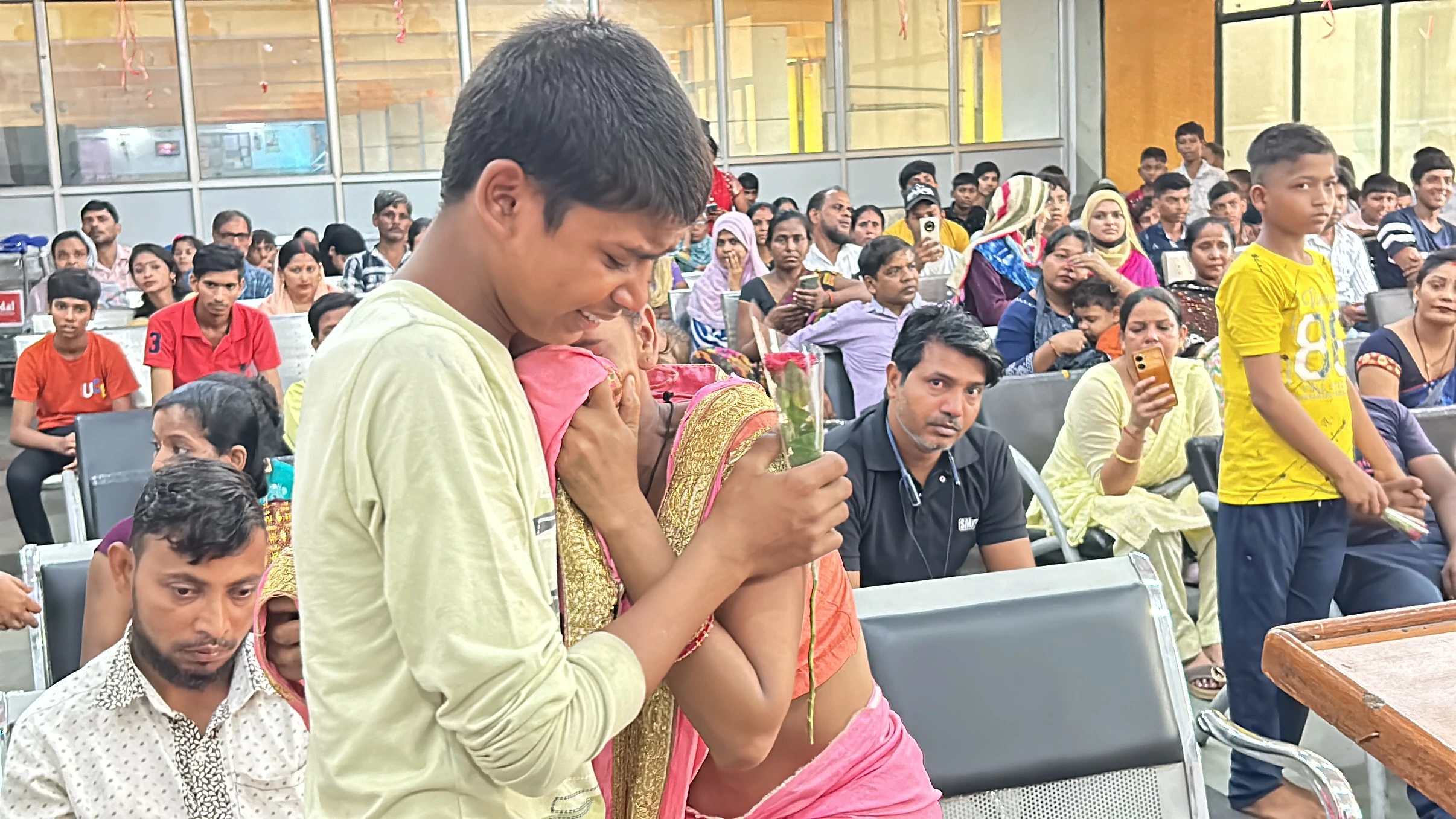
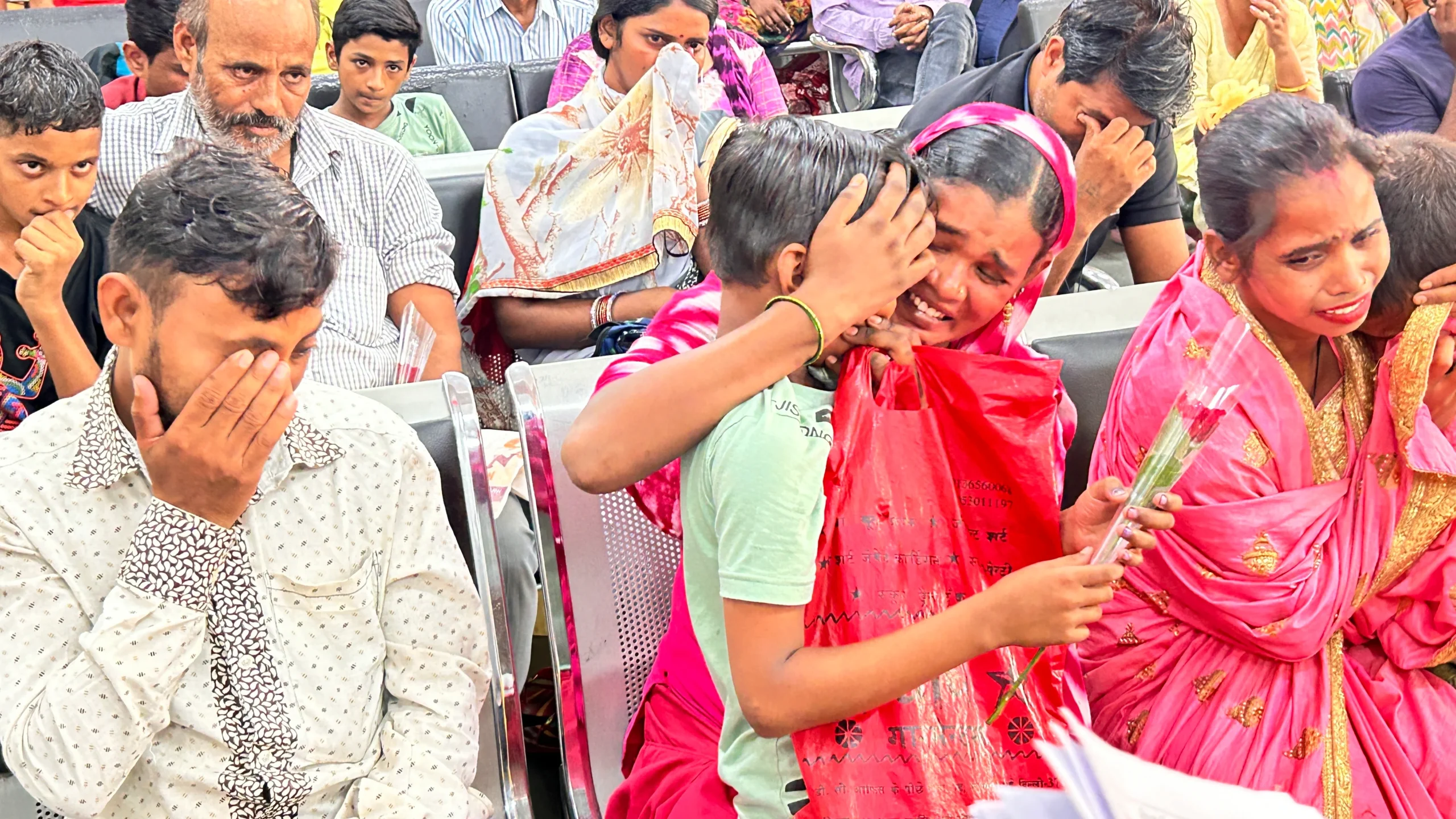
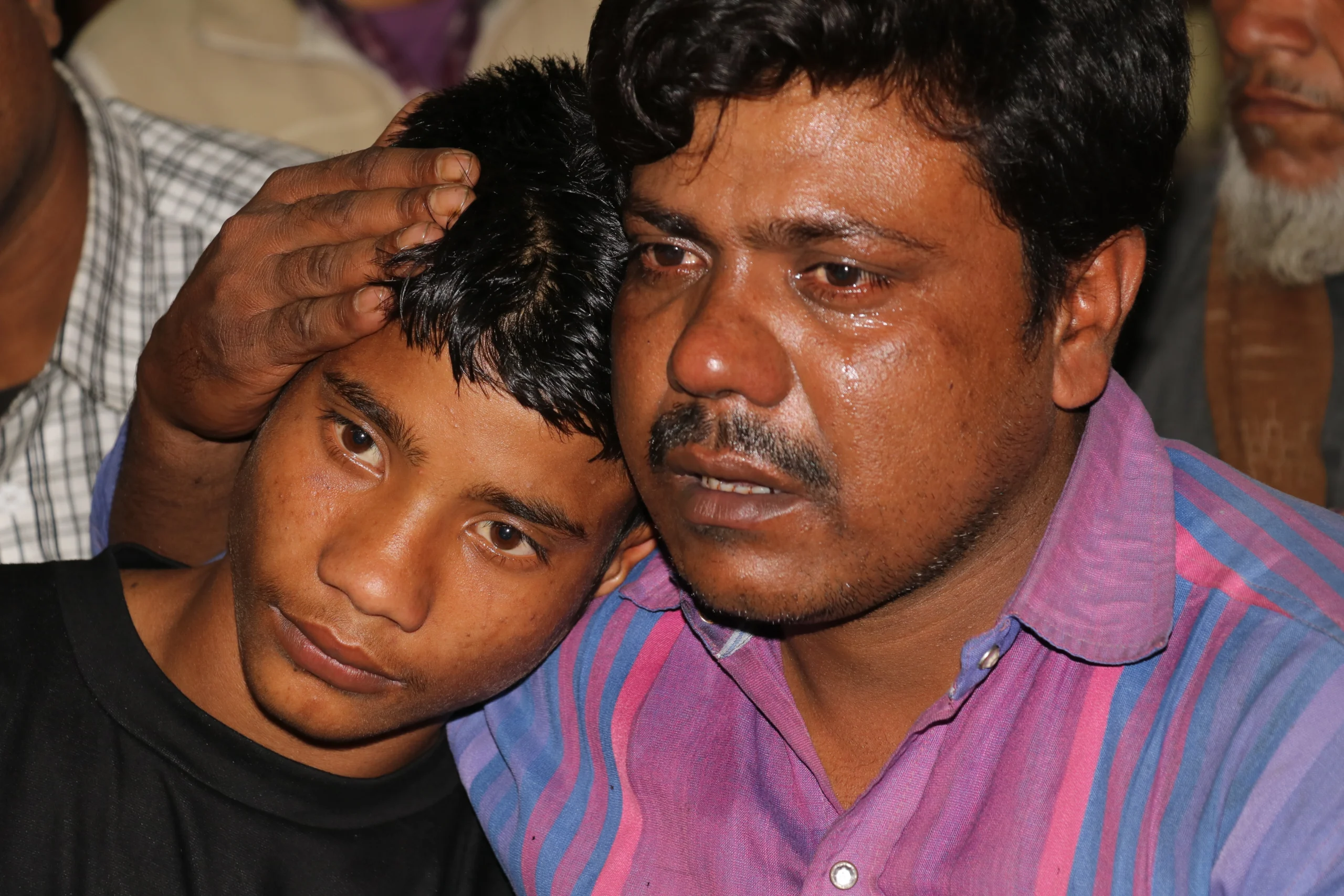
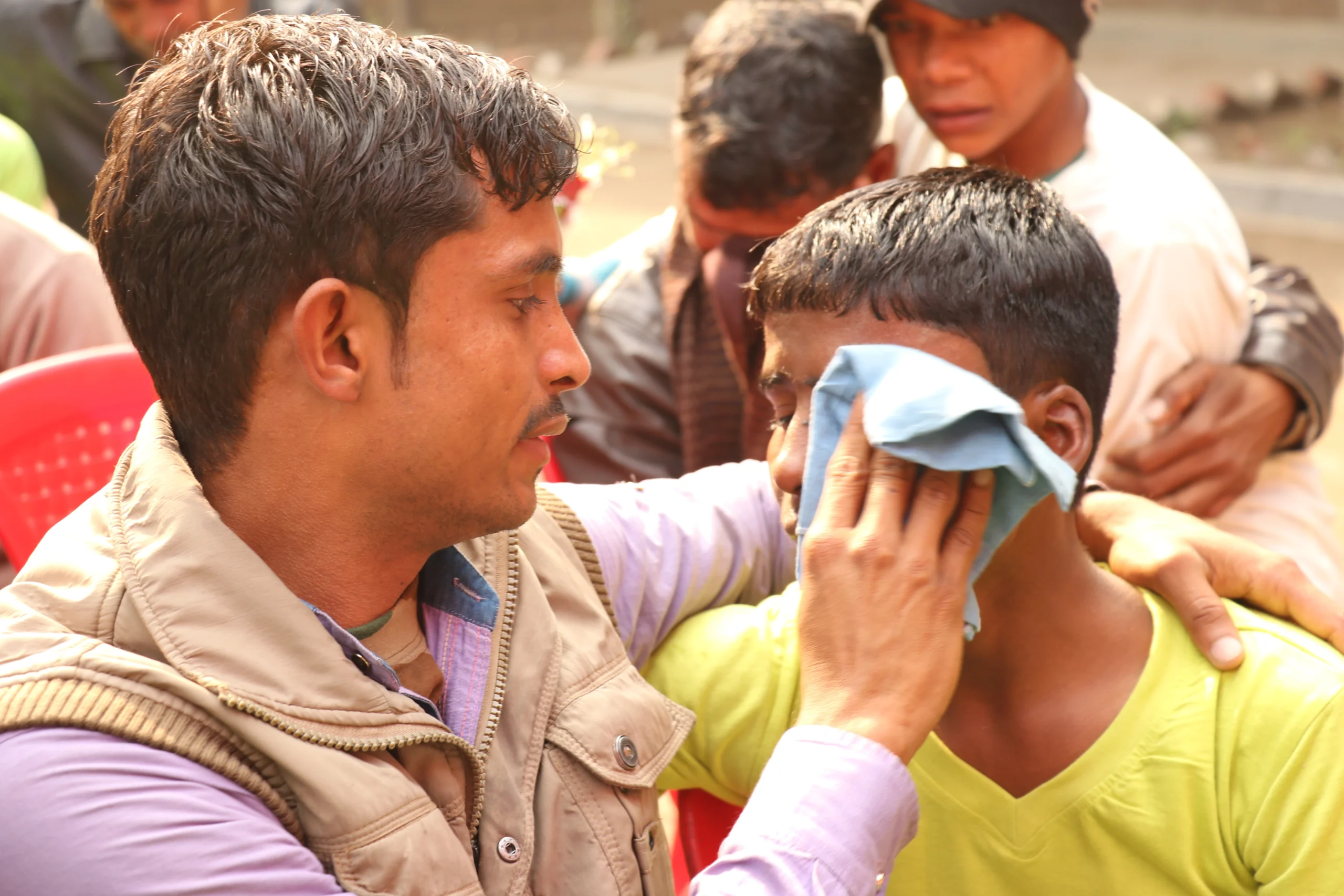
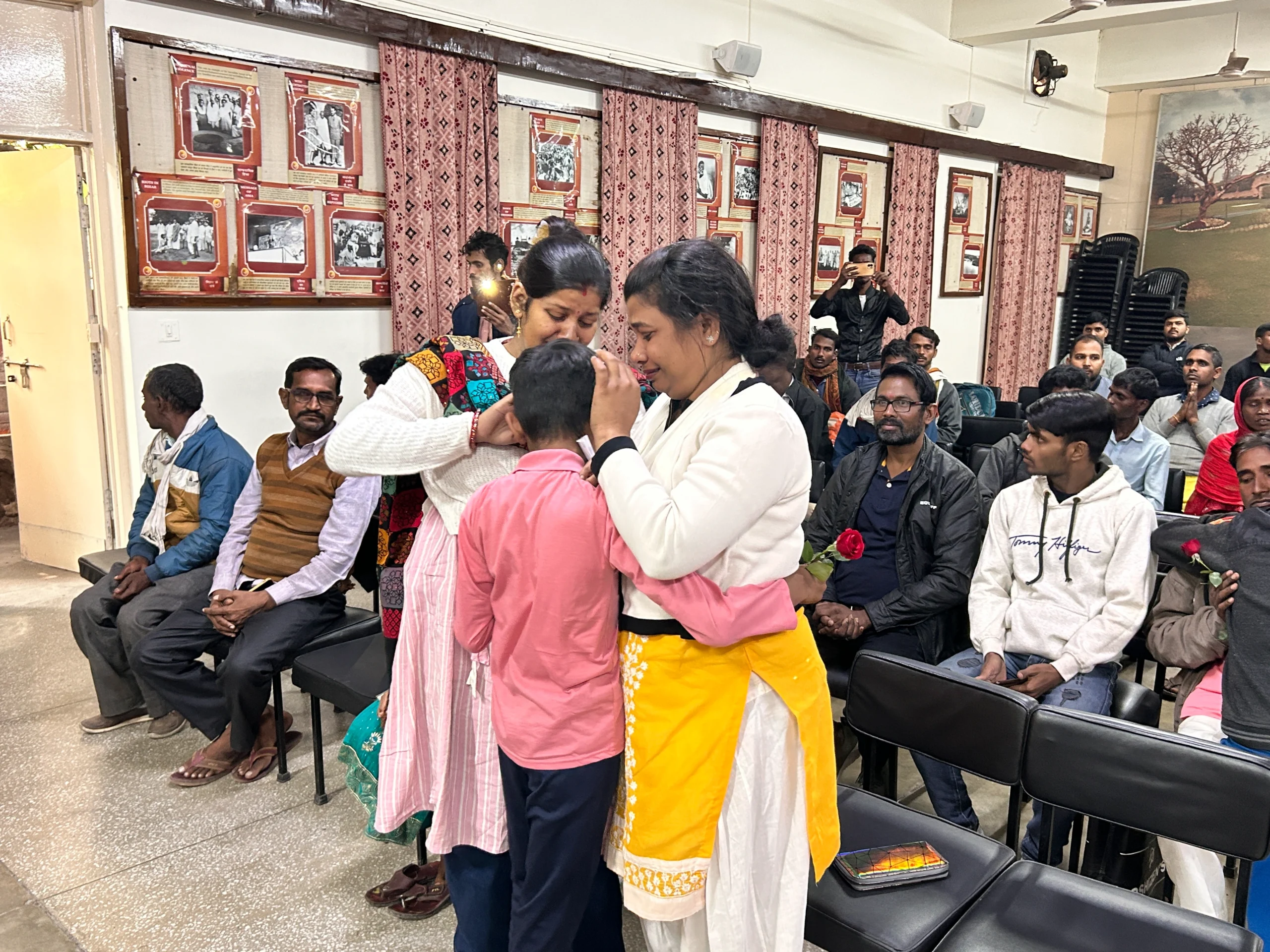
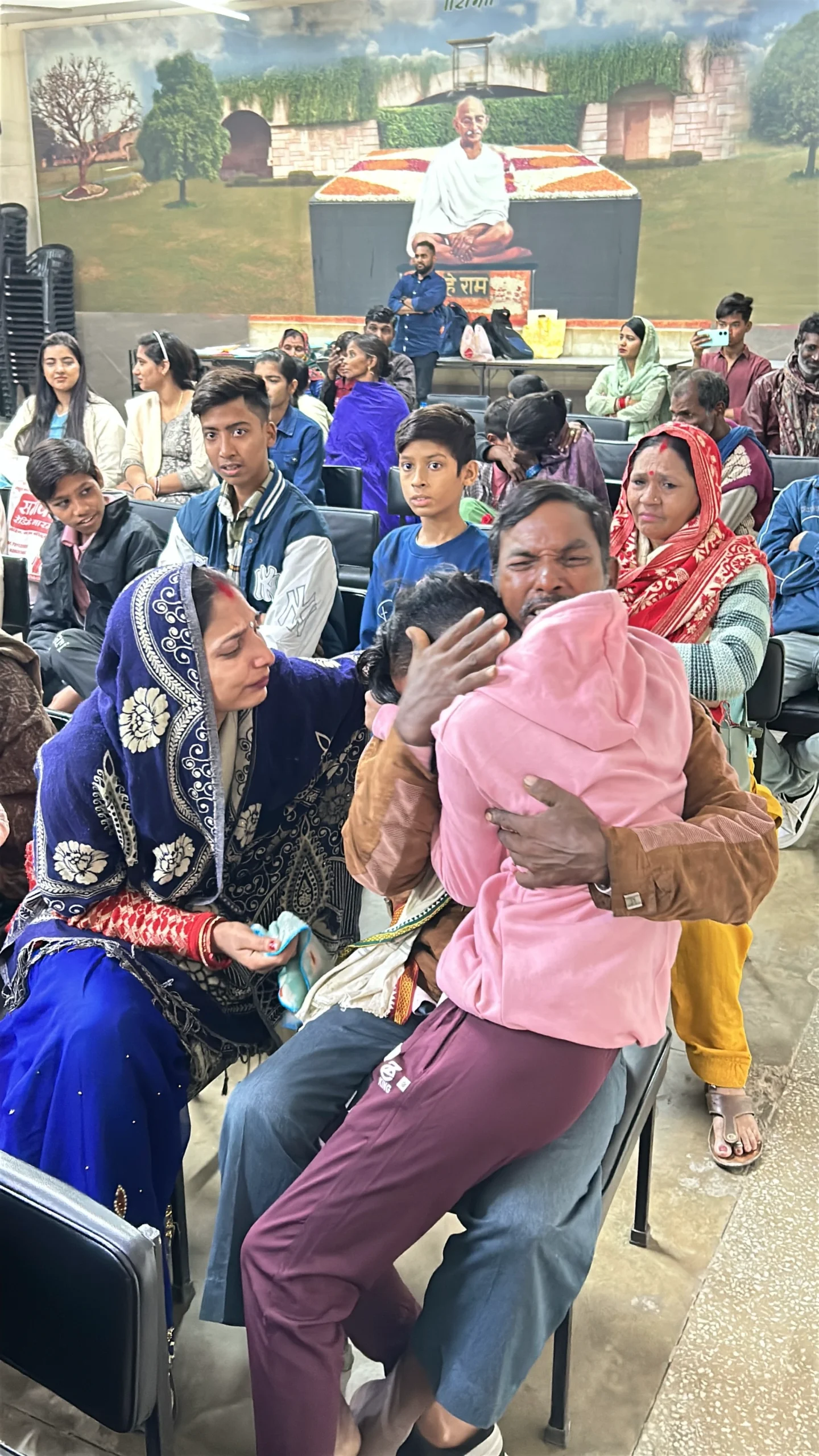
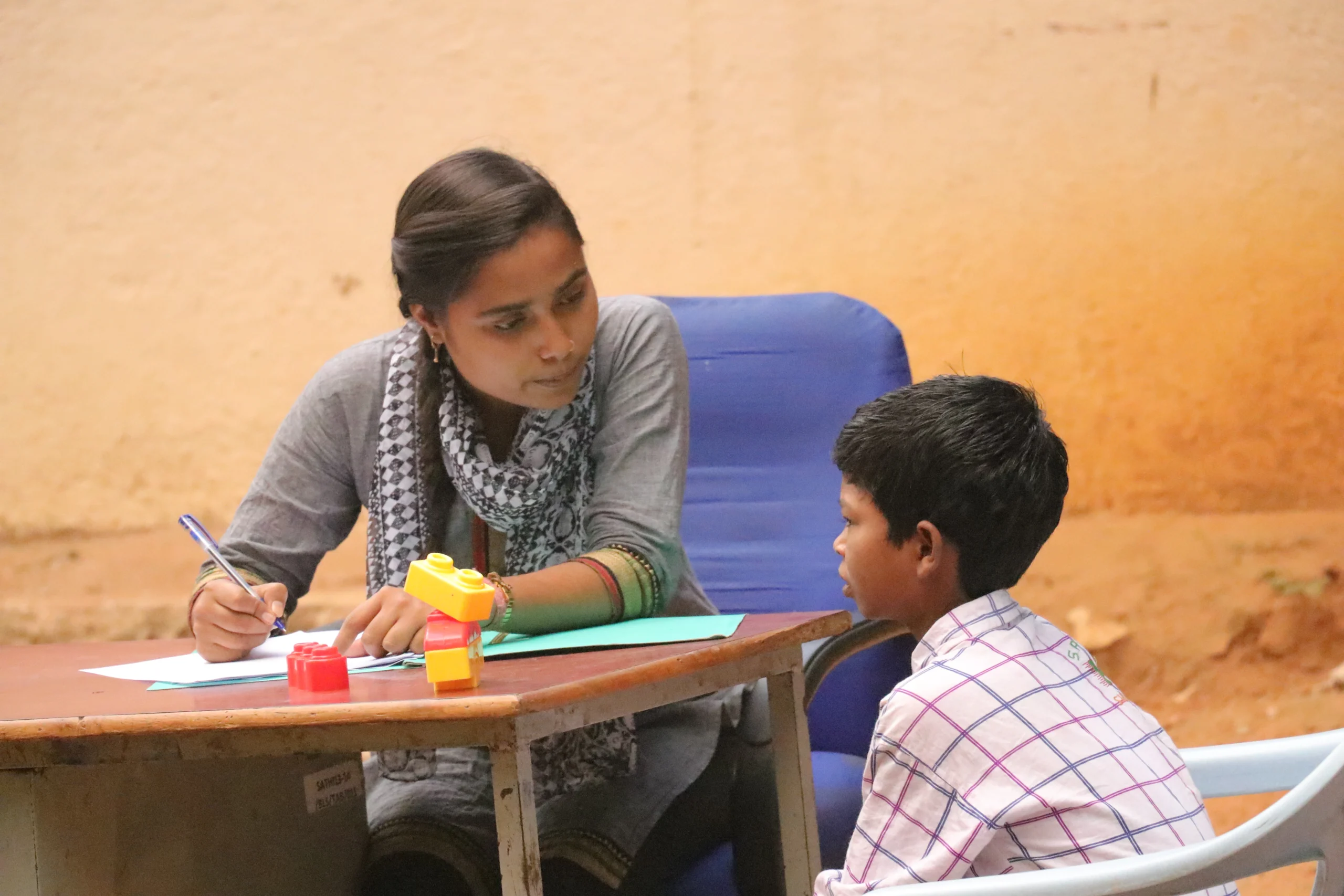
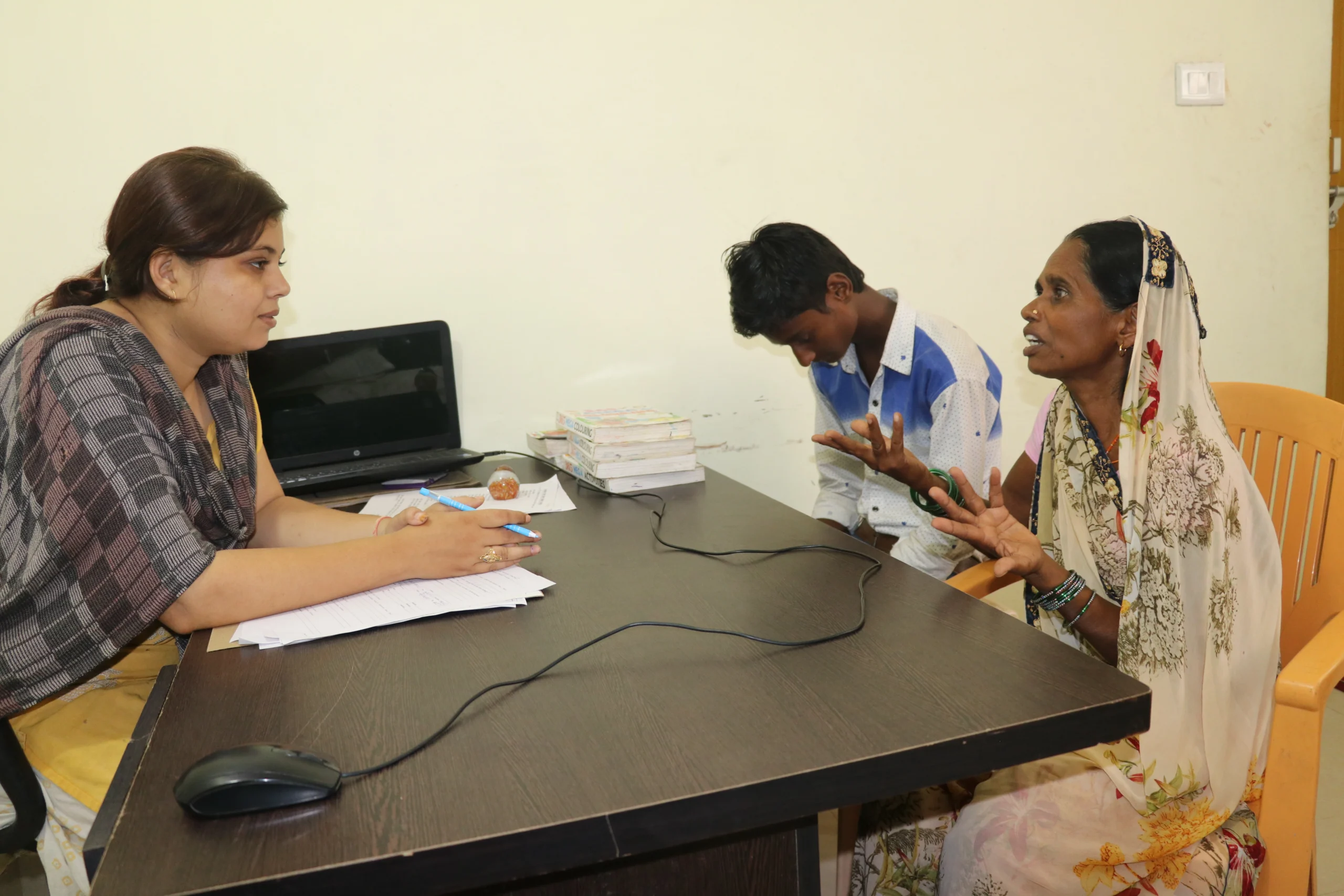
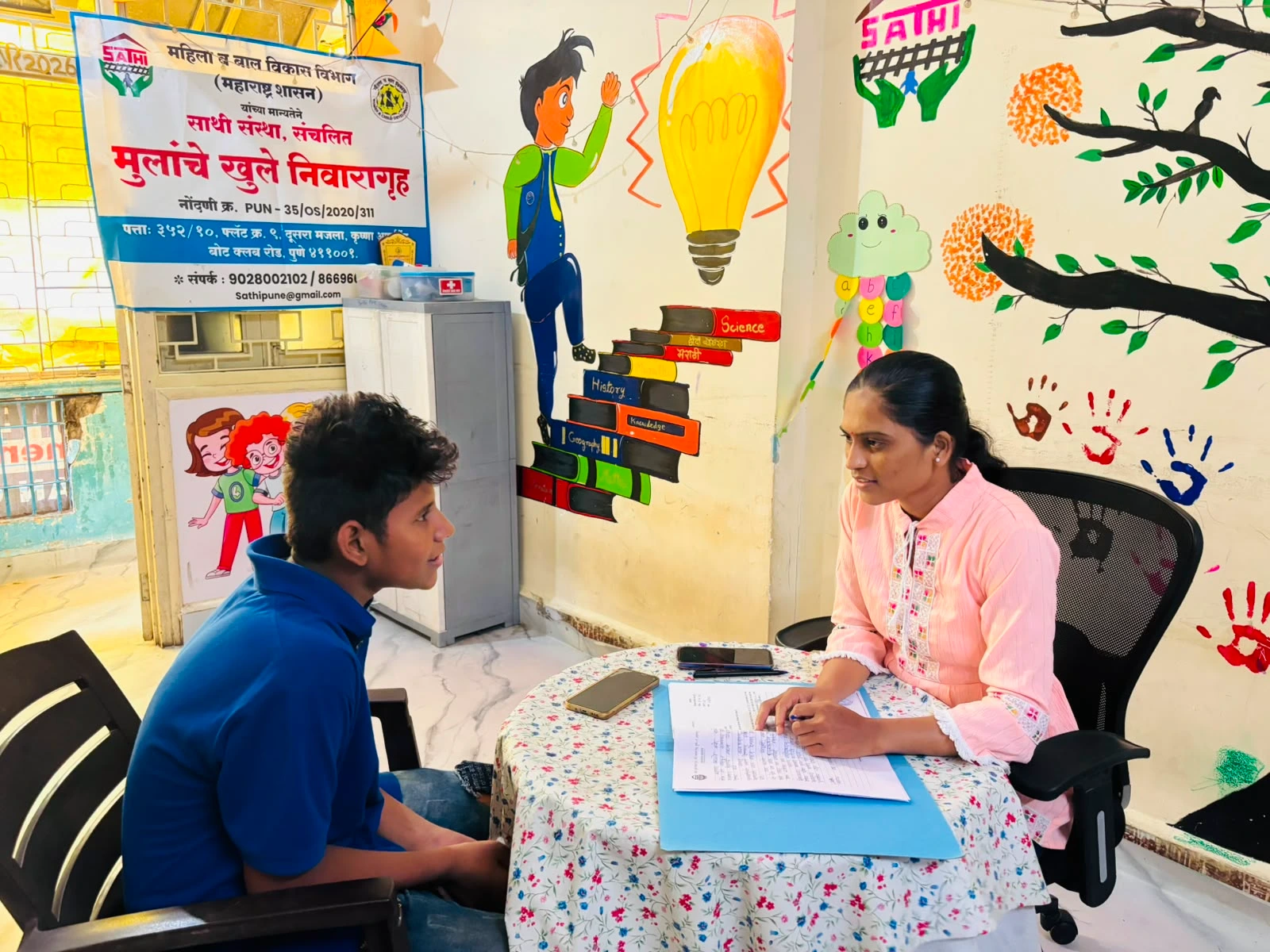
Since 2000, SATHI has partnered with Government Children Homes across India to reunite children with their families, particularly those who have lost contact, could not be traced, or have remained in institutional care for extended periods. Through sustained counselling, family tracing, and close collaboration with state governments, SATHI has helped restore more than 9,300 children while working with over 60 Government Children Homes. A key focus of this initiative is building the capacity of government home staff to undertake family restoration independently. As a result, several Government Children Homes across states such as Delhi, Uttar Pradesh, Karnataka, Maharashtra, Telangana, and Andhra Pradesh have successfully adopted and continue to implement early family restoration practices.
Home Orientation and Removal of Substance Abuse camps
SATHI’s Home Orientation and De-addiction Camp was a one-month residential programme for children with behavioural challenges, a history of running away, prolonged absence from home, or substance use issues. Developed through a two-year action research process and further refined with guidance from Dr. Shekhar Seshadri of NIMHANS, Bengaluru, and Fr. George Kollashany, the programme helped children developing positive attitudes, healthier behaviours, and stronger family connections. Between 1995 and 2020, SATHI conducted more than 250 camps across 11 states, benefited over 6,000 children. Over the years, the model has been evolved from primarily outdoor camps to a structured intervention that also supports children living in Government Children Homes.
Working with Street Children in Bangalore
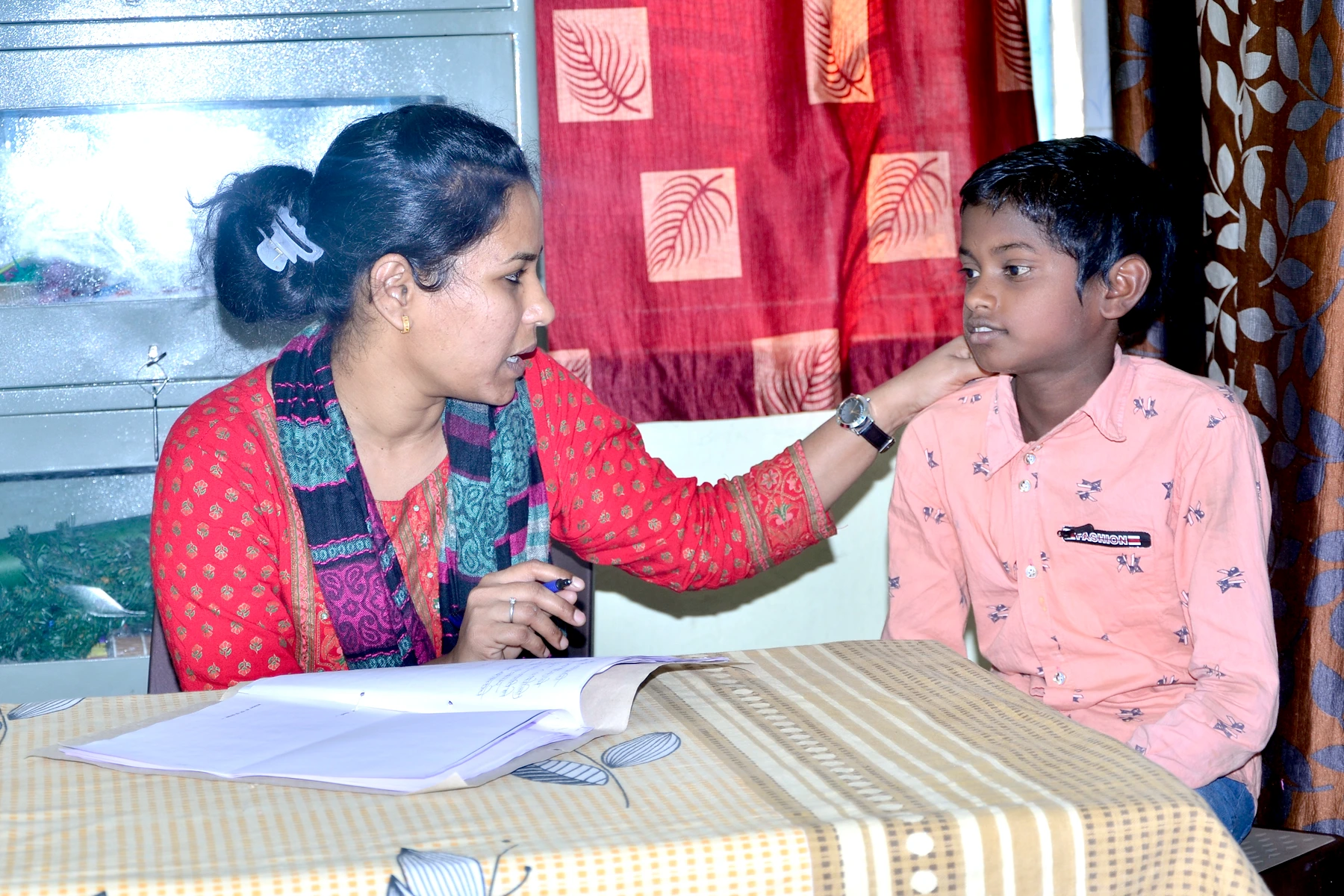
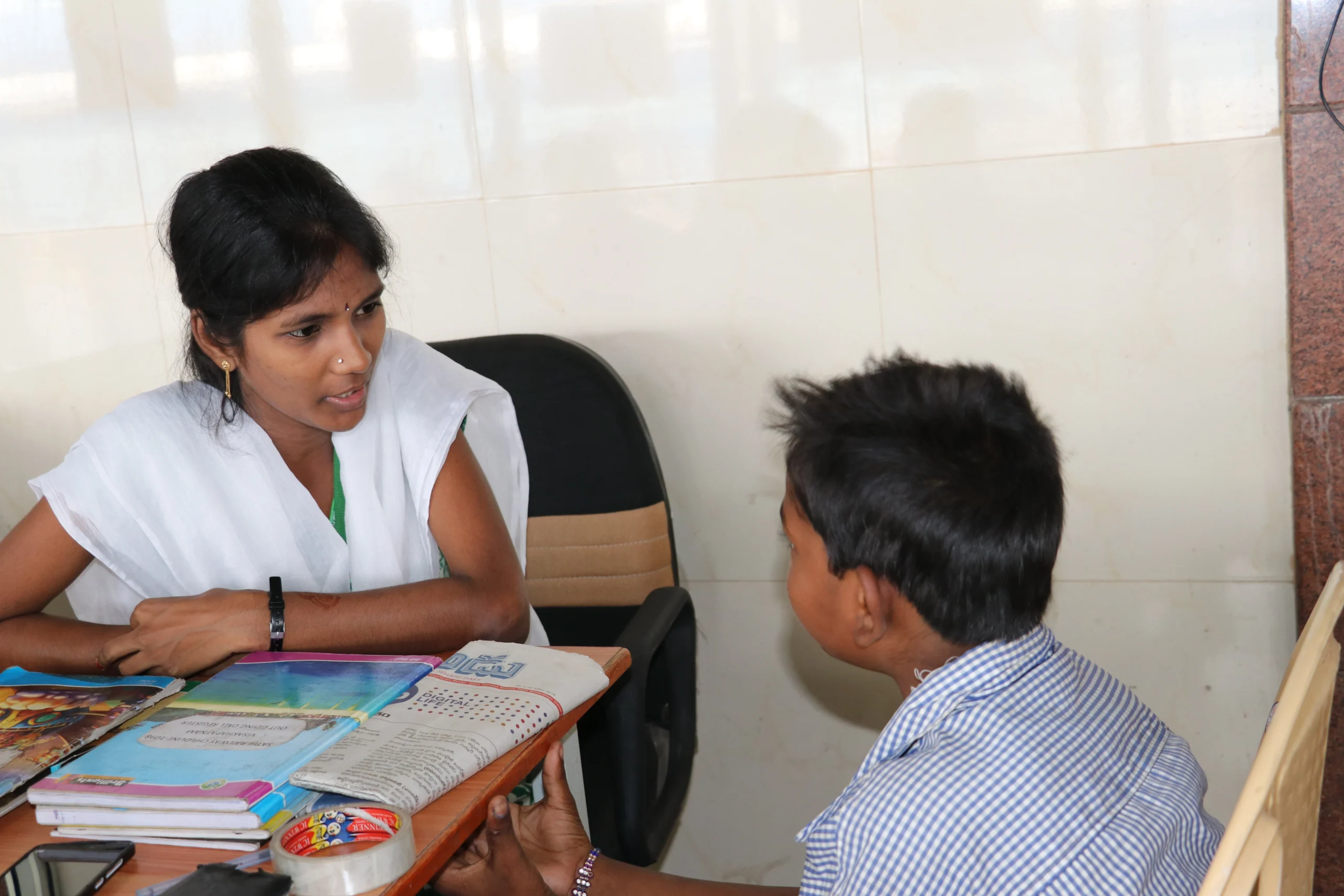
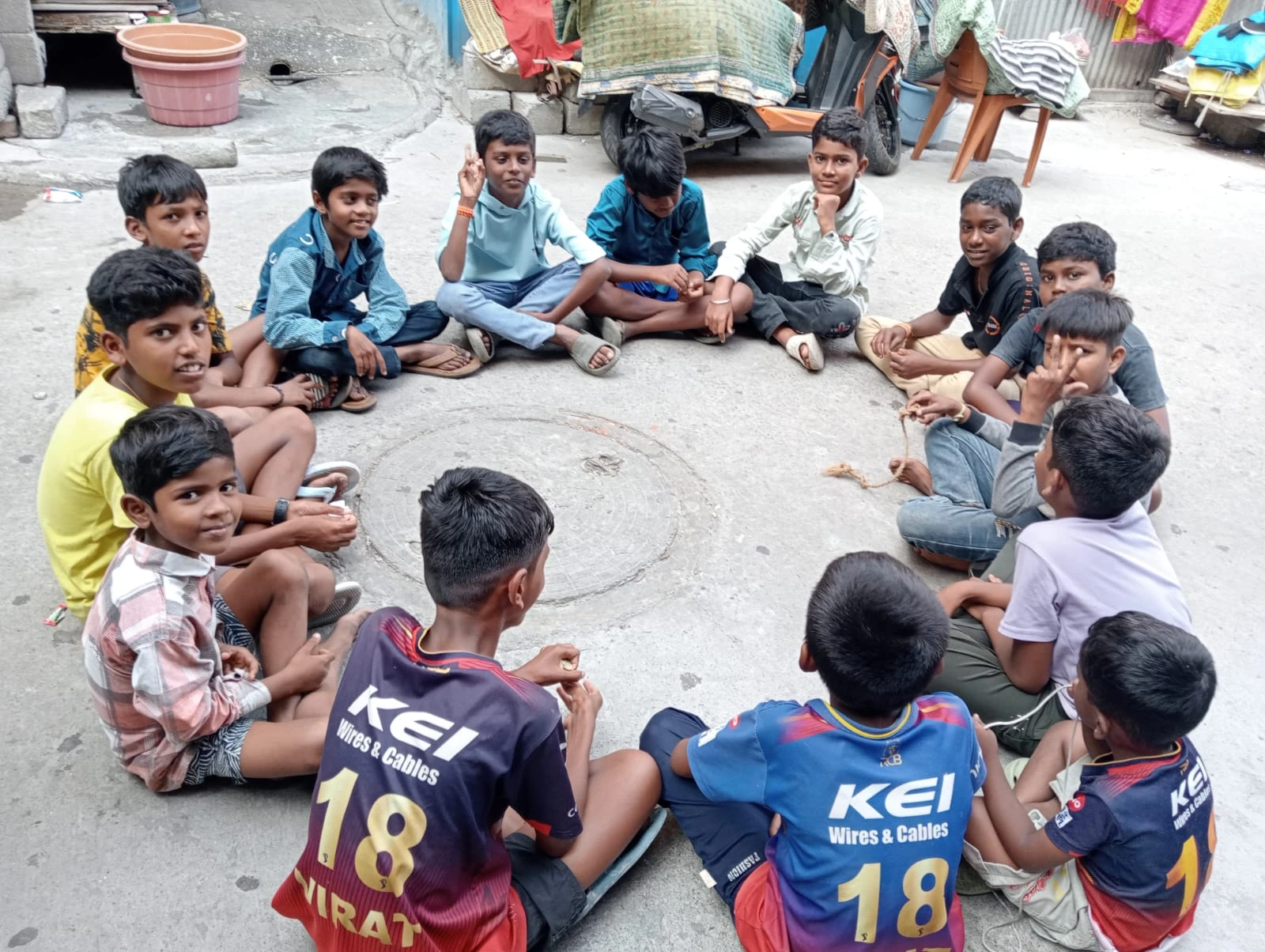
Between 2005 and 2009, SATHI implemented a pilot project in Bengaluru to support street-connected children and children affected by substance use from vulnerable urban communities. Adapting its Home Orientation and De-addiction Camp model, SATHI identified 1,694 children, enrolled 549 in 31 residential camps, and helped them overcome addiction and reconnect with their families and education. Follow-up findings showed that 79% of participating children stopped living on the streets and successfully returned to school, enrolled in vocational training, or secured employment. The project also established a strong collaborative network of community organizations, police, and local leaders to strengthen child protection and rehabilitation efforts.
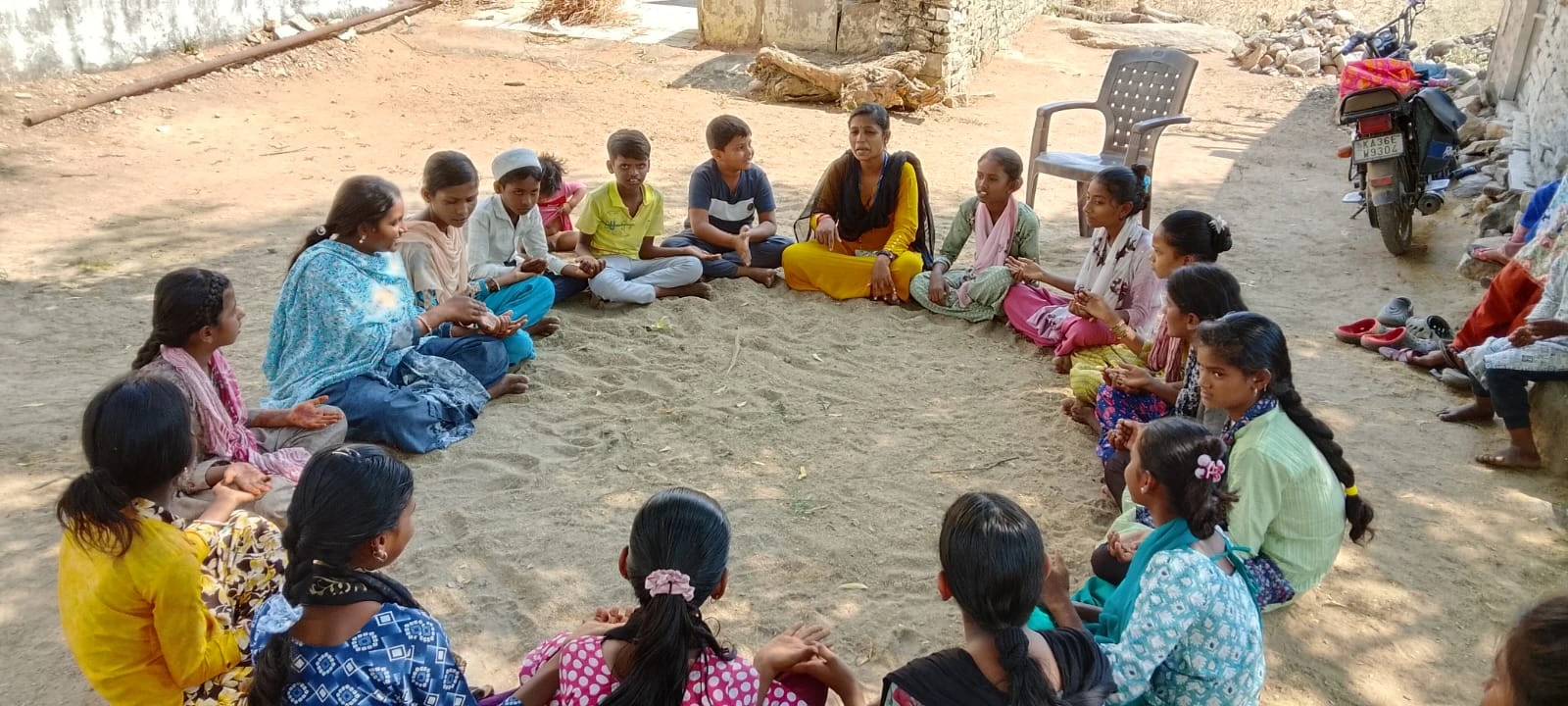
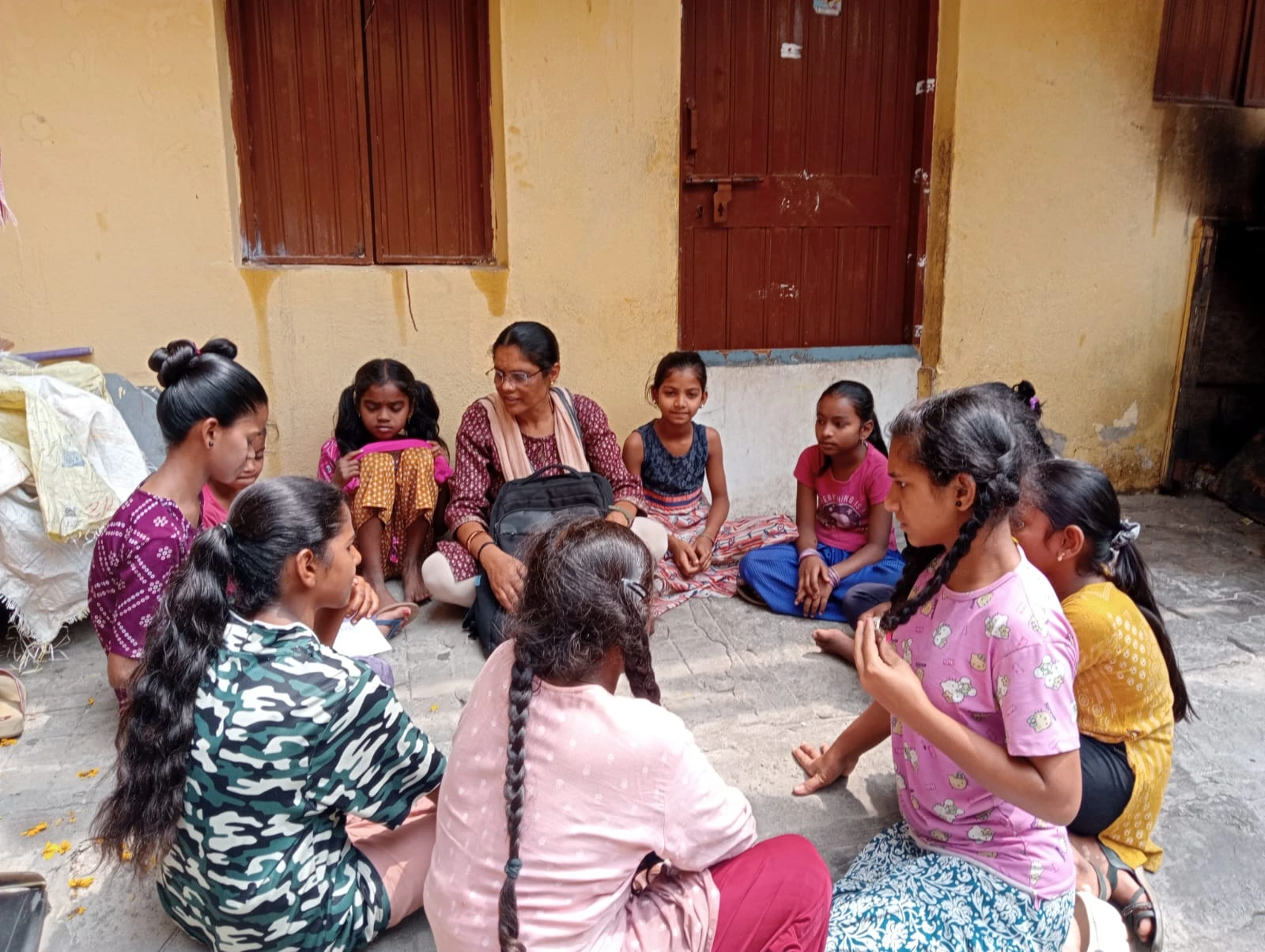
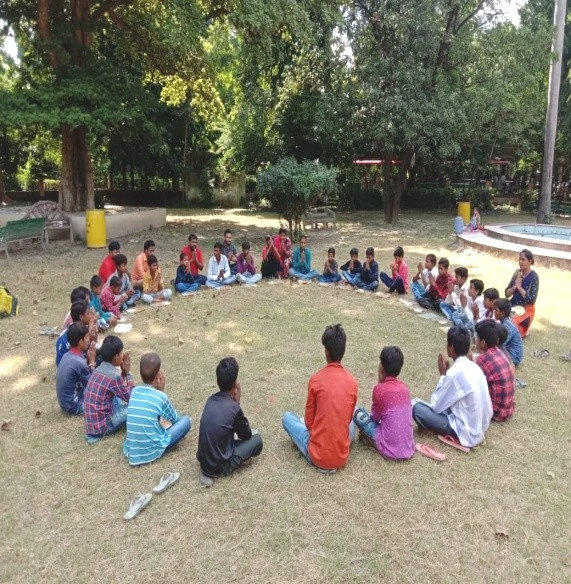
Working with Children in Street Situations at UP
As part of Save the Children’s “The Invisibles – Surviving the Streets in India” initiative, SATHI partnered to ensure that children in street situations could access legal identity documents and essential government social protection schemes. Working across six cities in Uttar Pradesh, SATHI identified and supported more than 30,000 children from railway stations, Government Children Homes, street situations, and urban slums. The project focused on facilitating Aadhaar enrolment, linking children to education, healthcare, and other social security benefits, while also supporting the care and protection of runaway children. In addition, SATHI collaborated with government stakeholders to strengthen child protection systems through awareness and implementation of standard operating procedures for children in street situations.
“We Care for You” – A support system for COVID-19 affected children belonging to financially marginalized families in Pune district of Maharashtra and Rural Districts of Karnataka
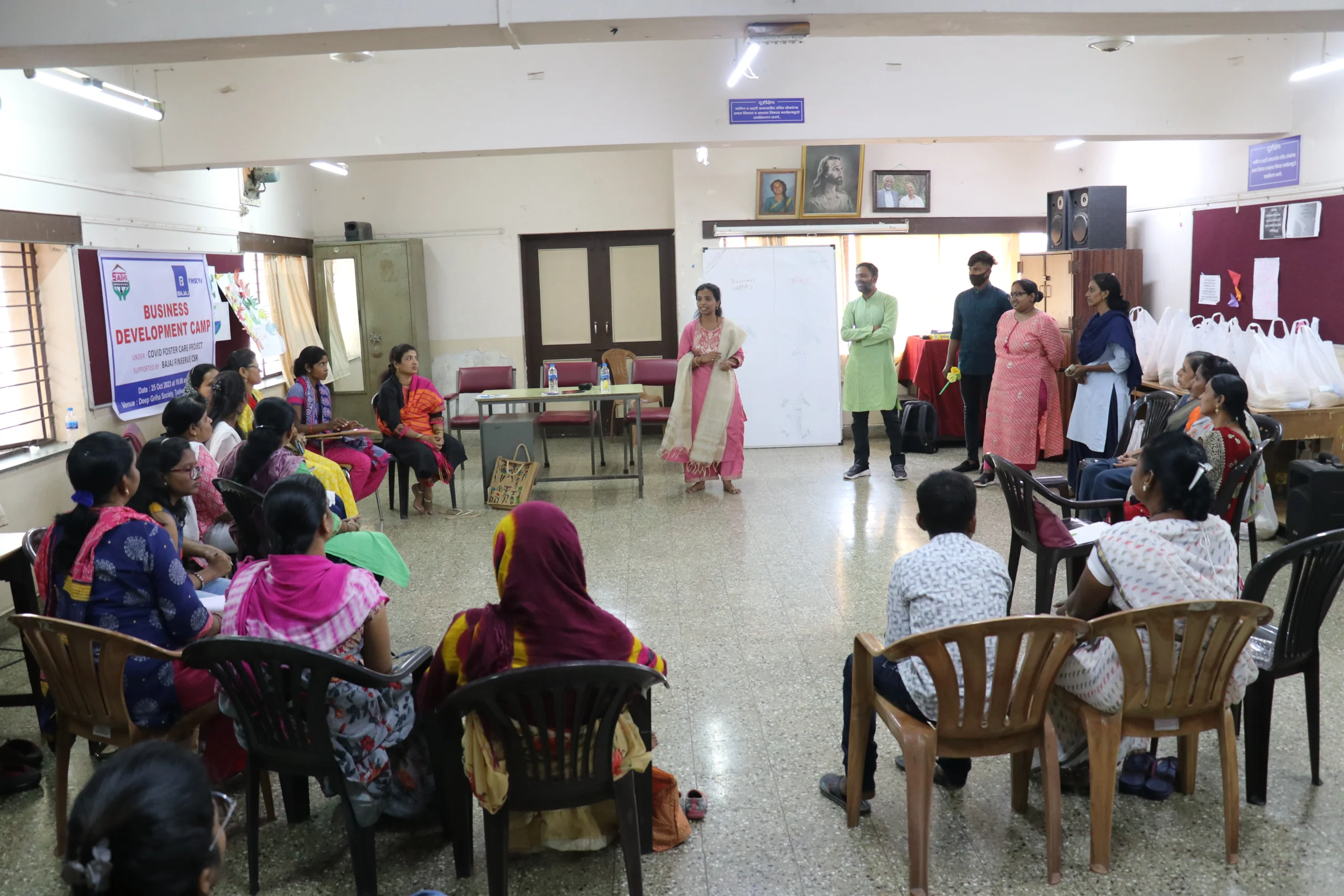
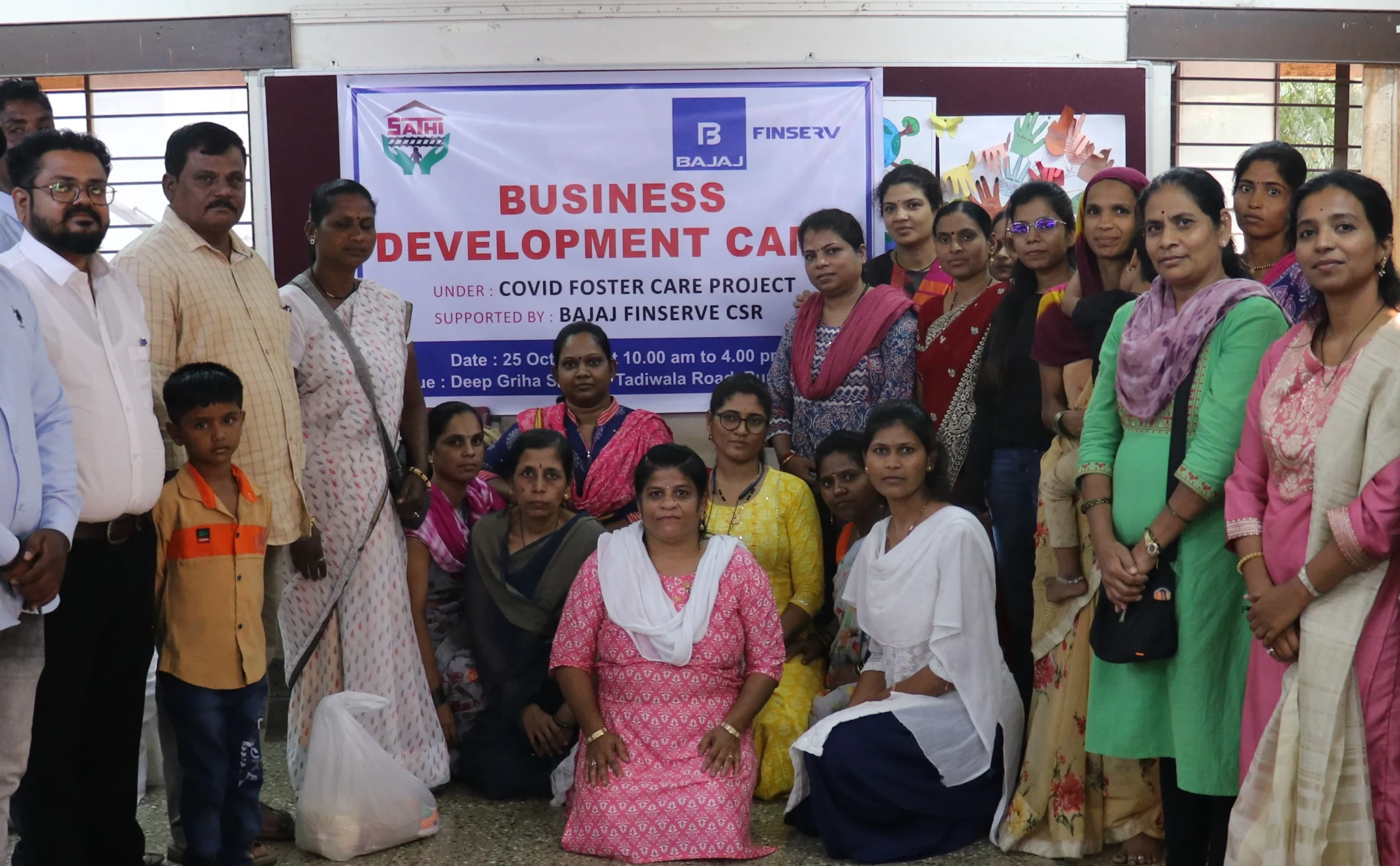
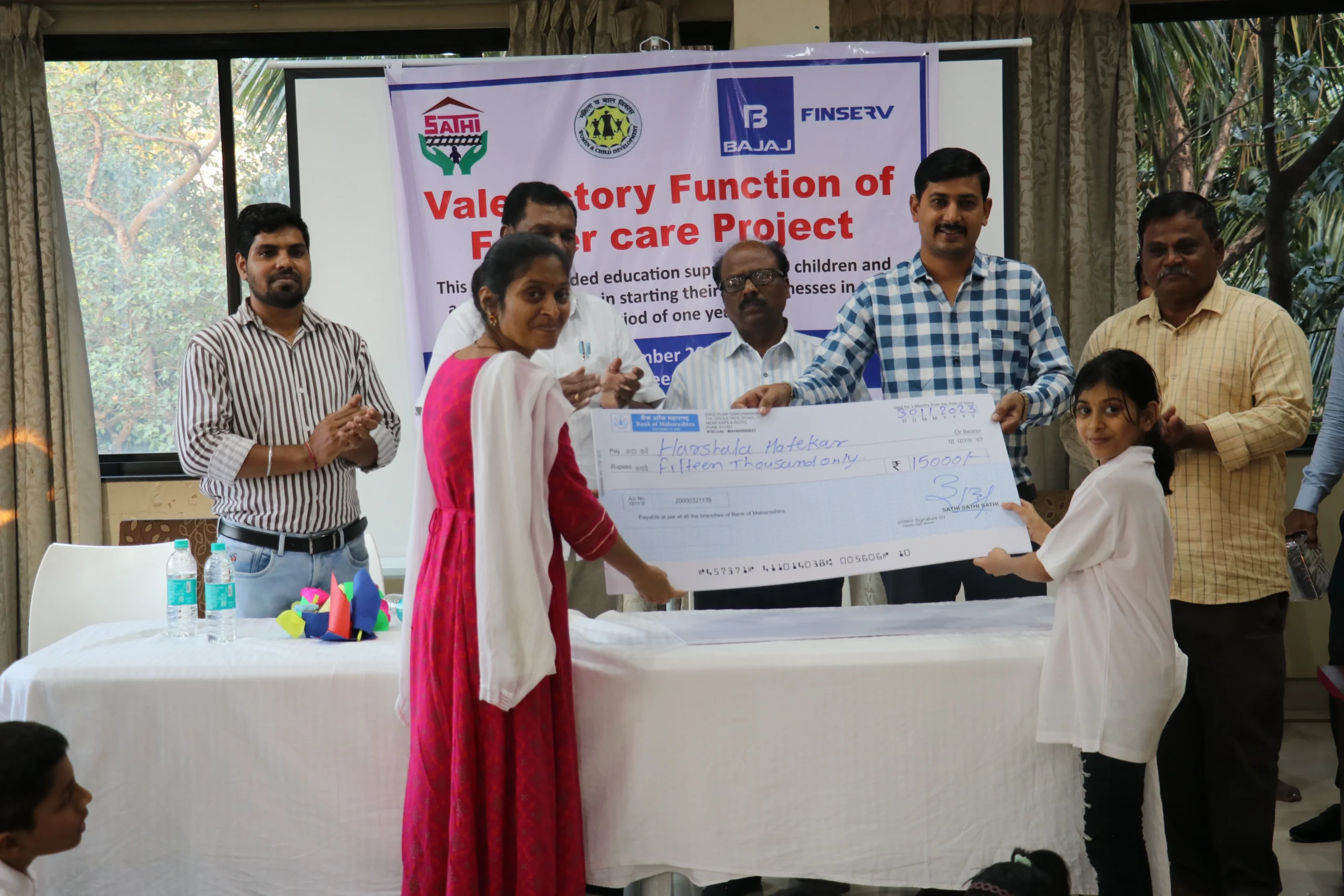
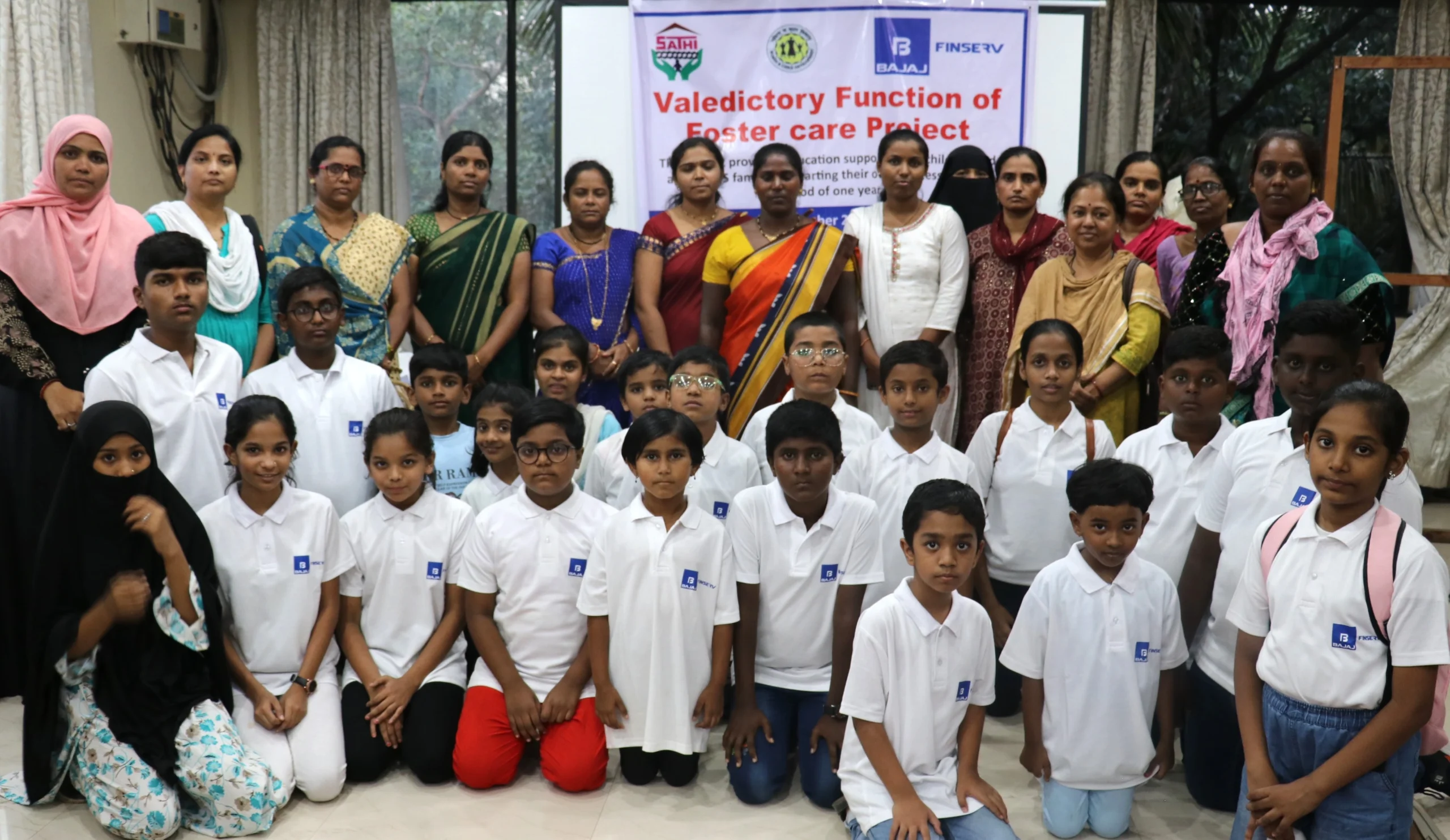
Following the COVID-19 pandemic, SATHI implemented a project to support orphaned, semi-orphaned, and other vulnerable children whose families had lost their primary source of income. Completed in 2023, the project enabled 365 children to continue their education by providing support for school fees, tuition, and skill development. SATHI also provided financial assistance and livelihood support to 89 single parents, helping them establish or strengthen small businesses to achieve sustainable incomes. While the project has concluded, many vulnerable children and families continue to require care, protection, and long-term support.